
🫁 Osteopathy and the Viscera: Looking Beyond Muscles and Joints
🫁 Osteopathy and the Viscera: Looking Beyond Muscles and Joints
When most people think of osteopathy, they picture treatment for sore muscles, stiff joints, or back pain. And while manual osteopathy absolutely helps with those concerns, there is another important part of the body it can also support — the viscera. 🤔
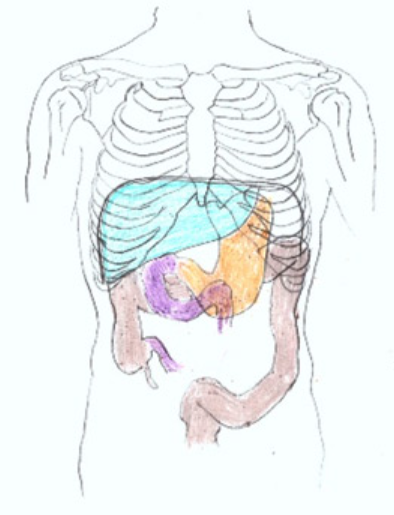
The viscera refers to your internal organs: the stomach, intestines, liver, lungs, bladder, and reproductive organs. These organs are constantly moving and working alongside the rest of your body — and just like muscles and joints, they can develop tension and restriction too.
🔗 The Body Is All Connected
Osteopathy is built on a simple but powerful idea: the body works as one interconnected unit. Your organs do not function independently from your muscles, spine, nerves, or circulation. Each organ is linked through fascia, ligaments, nerves, and blood supply — meaning that tension or restriction in the viscera can influence other areas of the body, and vice versa.
For example:
- 🔵 Digestive tension may contribute to abdominal discomfort or lower back pain
- 🔵 Restrictions around the diaphragm may affect breathing or rib mobility
- 🔵 Pelvic organ tension may contribute to pelvic pain or low back symptoms
These connections also work in reverse — tension in the musculoskeletal system can create symptoms that seem to come from the organs. In some cases, the true source of dysfunction may be located far from where you actually feel it.
🌀 Your Organs Need Mobility Too
Your organs are designed to move naturally with breathing, posture, and everyday movement. But surgery, inflammation, chronic stress, injury, or scar tissue can sometimes limit that natural mobility.
When organ mobility is restricted, the body begins to compensate — creating tension patterns, postural changes, and discomfort elsewhere. Visceral osteopathic treatment uses gentle, hands-on techniques to help improve organ mobility and reduce restrictions within the organs and their surrounding connective tissues.
⚕️ Osteopathy Does Not “Treat” Disease
It is important to be clear: manual osteopaths do not diagnose or treat medical diseases, and osteopathic treatment is not a replacement for medical care.
What visceral osteopathy aims to do is support the body’s overall function, mobility, and self-regulation. By improving movement and reducing tension throughout the body, treatment may help support comfort, circulation, and the body’s natural healing mechanisms. ✨
🩺 Who Might Benefit from Visceral Osteopathic Treatment?
People seek visceral osteopathy to help support a wide range of concerns, including:
- 🔵 Digestive discomfort, bloating, or IBS-related tension
- 🔵 Rib pain or diaphragm restriction
- 🔵 Post-surgical recovery and scar tissue restriction
- 🔵 Pelvic pain or pelvic floor tension
- 🔵 Stress-related tension patterns
- 🔵 Low back pain or abdominal tension
- 🔵 Breathing restrictions
Because the body is so deeply interconnected, treatment typically addresses both the viscera and the musculoskeletal system together — not one or the other.
💚 A Gentle, Whole-Body Approach to Health
Visceral osteopathic treatment is typically very gentle and completely individualized. The goal is never to force change — it is to help restore mobility and balance within the body so it can function more efficiently as a whole. 🙌
Osteopathy looks beyond muscles and joints. It considers how every part of the body works together — including the internal organs — to support your overall health, comfort, and long-term function.
Curious whether visceral osteopathy might be right for you? We would love to chat. 👋


